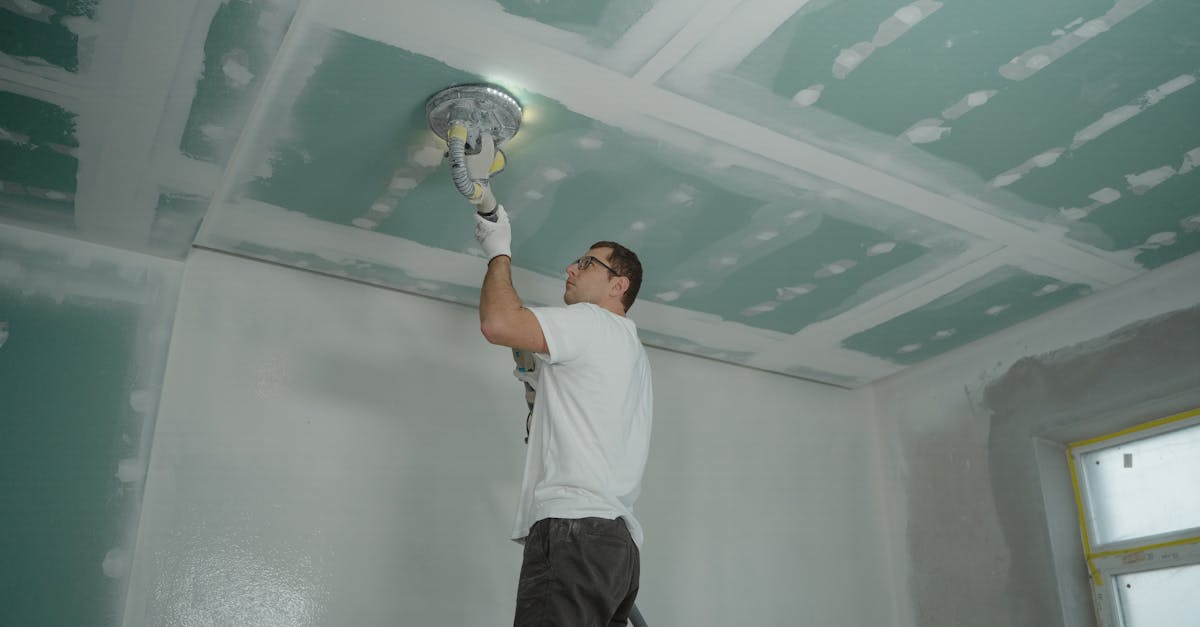
How to Verify a Drywaller Is Legitimate in Ontario
Drywall work in Ontario doesn't require a provincial licence, but that doesn't mean any contractor will do. Here's how to vet a drywaller properly before you hire.
Drywall installation and finishing in Ontario is not a licensed trade under Skilled Trades Ontario, which means almost anyone can legally offer the service — making it one of the trickier trades to vet. The good news is that a few straightforward checks will separate a skilled, accountable professional from someone who will leave you with cracked seams and no recourse.
Why Drywall Is a Higher-Risk Hire Than Most Homeowners Expect
Because there is no mandatory provincial licence for drywallers, the usual shortcut — "check if they're licensed" — doesn't apply here the same way it does for electricians or gas technicians. That gap creates real risk.
Poor drywall work is expensive to fix. Uneven mud, visible seams, or improperly taped joints often don't show up until the paint goes on — sometimes not until the first heating season, when your home's frame expands and contracts in Ontario's cold winters. By then, the contractor may be long gone.
The other risk is financial. An uninsured drywaller who injures themselves on your property can leave you liable. A contractor without WSIB coverage shifts that burden directly to you as the homeowner.
None of this means drywall contractors are untrustworthy by nature. Many are highly skilled tradespeople who take real pride in their craft. The point is that you can't rely on a licence lookup alone — you need a fuller picture.
What to Check Before Hiring a Drywaller in Ontario
1. WSIB Coverage
This is non-negotiable. Ask for a WSIB clearance certificate before work begins. You can verify a contractor's WSIB status directly on the WSIB Ontario website using their account number. A valid clearance certificate means their WSIB premiums are current and you are protected if a worker is injured on your property.
If a drywaller can't or won't provide a clearance certificate, that's a serious red flag — regardless of how reasonable their quote looks.
2. General Liability Insurance
Ask for a certificate of insurance showing general liability coverage, and make sure the coverage amount is meaningful for the scale of your project. For a full basement or main-floor renovation, you want to see at least $2 million in coverage — though requirements vary by project. Ask your contractor to name you as an additional insured on the certificate if the project is large.
Don't just take their word for it. Ask for the certificate, check the expiry date, and confirm the insurer's name is a real company.
3. Business Registration
A legitimate drywalling business should be registered in Ontario. You can verify a sole proprietorship or corporation through the Ontario Business Registry. This doesn't guarantee quality, but it tells you the business is real, has a legal identity, and can be held accountable.
Cash-only contractors who operate with no paper trail are harder to pursue if something goes wrong.
4. Portfolio and References
Drywall is a craft where the proof is in the finish. Ask to see photos of completed work, and specifically ask about projects similar to yours — whether that's a smooth Level 5 finish for a high-end renovation or standard taping and mudding for a basement.
Better still, ask for references from past clients you can actually call. Ask those references whether the finish held up after the first winter, whether the contractor cleaned up properly, and whether they'd hire them again.
5. Written Contract
Any drywall project beyond a minor patch should be covered by a written contract. It should specify the scope of work (including the finish level — Level 3, 4, or 5 are industry-standard designations), the materials being used, the timeline, the payment schedule, and what happens if there are deficiencies.
A contractor who resists putting things in writing is telling you something important.
Understanding Drywall Finish Levels — and Why They Matter
One thing many homeowners don't know: drywall finishing is graded on a standardized scale from Level 0 to Level 5, where Level 5 is the smoothest, highest-quality finish typically used in premium renovations or under high-gloss paint.
If a contractor quotes you without specifying a finish level, ask. A Level 3 finish and a Level 5 finish look very different under raking light, and they cost different amounts to produce. Mismatched expectations on finish level are one of the most common sources of drywall disputes.
| Finish Level | Typical Use Case |
|---|---|
| Level 3 | Textured finishes, utility spaces |
| Level 4 | Standard painted walls, most residential work |
| Level 5 | High-gloss or enamel paint, premium renovations |
Make sure your contract names the finish level explicitly.
Red Flags to Watch For When Getting Quotes
Not every warning sign is obvious. Here are some patterns that experienced homeowners learn to recognize:
For a broader overview of what to watch for across trades, the post on 5 Red Flags When Hiring a Plumber in Ontario applies many of the same principles and is worth reading alongside this one.
How ProScore Helps You Evaluate Drywall Contractors
Because drywall isn't a licensed trade, reputation and business transparency carry even more weight in your evaluation. That's exactly where ProScore's Trust Index is designed to help.
ProScore scores Ontario contractors — including drywallers — on a 0–100 Trust Index that blends reputation, verified credentials, customer sentiment, and business transparency. Each contractor is assigned a public tier: Elite, Trusted, Good, Basic, or Caution. You can see a contractor's tier before you call them.
ProScore has analyzed 39,000+ reviews and scored 16,400+ contractors across 880+ Ontario cities, drawing on 10+ data sources and 20+ trust signals. For a trade like drywall, where a licence lookup won't tell you much, that kind of multi-signal picture is genuinely useful.
You can browse drywallers across Ontario or search by city — including drywallers in Toronto, Ottawa, Mississauga, Hamilton, and London — to see scored contractors in your area.
If you're a drywalling contractor who wants your credentials and reputation reflected in your score, you can claim your profile on ProScore.
What Good Drywall Contractors Do Differently
The best drywall contractors in Ontario tend to share a few habits that set them apart:
These aren't secrets. They're just the habits of someone who cares about the outcome and has done this enough to know what actually matters.
FAQ
Do drywallers need a licence in Ontario?
No. Drywall installation and finishing is not a compulsory or voluntary certified trade under Skilled Trades Ontario, so there is no provincial licence requirement. This makes verifying WSIB coverage, liability insurance, and business registration even more important when you're evaluating a drywaller.
What WSIB clearance certificate should I ask for before hiring a drywaller?
Ask the contractor for a WSIB clearance certificate showing their account is in good standing. You can verify it independently on the WSIB Ontario website by entering their account number. The certificate should be current — check the expiry date — and should cover the dates your project will run.
What is a Level 5 drywall finish and do I need it?
Level 5 is the highest standard of drywall finishing, involving a skim coat over the entire surface to eliminate any texture variation. It's typically used under high-gloss or semi-gloss paint, or in spaces with strong raking light. For most standard residential walls painted with flat or eggshell paint, Level 4 is sufficient. Ask your contractor what level they're quoting and whether it matches your paint and lighting plan.
Find contractors now
Compare 16,300+ Ontario contractors with ProScores from 10+ verified data sources.
Search ProScore